


BCM-100 Cable Online Monitoring and Hazard Early-Warning Localization System
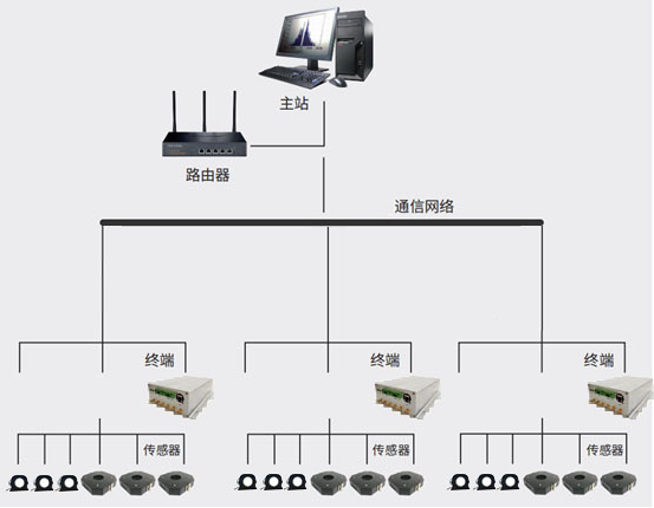
The BCM-100 cable online monitoring and fault‑prevention warning‑and‑location system employs a non‑contact detection method to perform real‑time, online monitoring of partial discharge, ground loop current, and temperature (optional) in medium‑ and high‑voltage cables.
Category:
Partial Discharge Online Monitoring System
Keywords:
Product accessories:
Email: daimirong@broadwit.com.cn
- Product Description
-
System Features and Advantages
The BCM-100 cable online monitoring and fault‑prevention early‑warning positioning system employs a non‑contact detection method to perform real-time, in‑line monitoring of partial discharge, ground loop current, and temperature (optional) in medium‑ and high‑voltage cables.
- Real-time online monitoring
- Superior expert diagnostic system
- Powerful cable fault database
- Strong anti-interference capability
- The monitoring frequency band covers the range from 50 kHz to 100 MHz.
- The sampling rate is 100 MSa/s.
System Configuration – HFCT Sensor
Main Technical Parameters
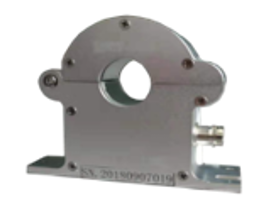
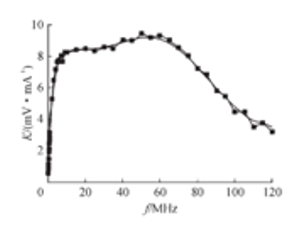
Frequency range
50kHz-100MHz
Installation method
Card-mounted
Inner diameter of the opening
50–100 mm optional
Protection rating
IP68
Detection sensitivity
1pC
Sampling rate
100MSa/s
Signal transmission method
50Ω coaxial cable
The physical structure is designed as a split-type configuration, enabling the detection of partial discharge pulse signals by clamping onto the cable’s grounding conductor or cross‑bonding conductor, thus ensuring extremely convenient on-site installation.
System Configuration – Circulation Sensor
Grounding circulating current + synchronous phase
Main Technical Parameters
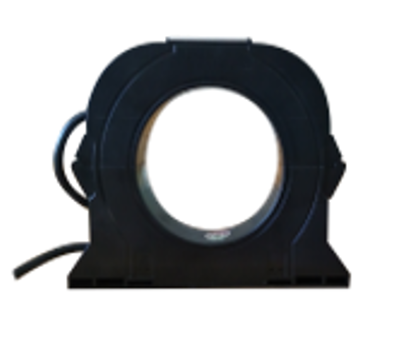
Measurement range
0-100A
Measurement accuracy
±1%
Installation method
Card-mounted
Protection rating
IP68
Operating ambient temperature
-40℃~+65℃
Work environment humidity
95%Rh
System Architecture – Data Acquisition Terminal
It adopts a modular design, comprising a power module, a communication module, and a data storage module. The power supply is localized, drawing from the power source within the cable termination cabinet. The communication module handles both uplink and downlink communications: the uplink transmits signals and data to the server, while the downlink aggregates data collected by the sensors. The data storage module performs data management and storage.
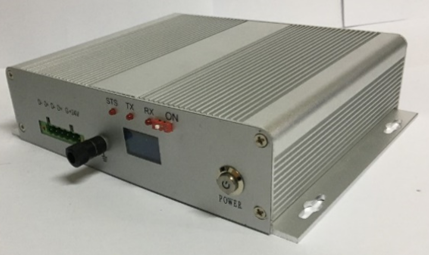
Project
Parameter
Power supply
DC 24V, 1A
Sensor interface method
BNC
Uplink communication method
RS485
Communication distance
1200 meters
Protection rating
IP55
Partial Discharge Acquisition
1) Frequency range: 50 kHz ~ 100 MHz
2) Built-in maximum hold circuit to prevent discharge.
Number collection omissionCirculation Collection
1) Frequency range: 50 Hz
2) Current range: 0~100ATime synchronization
Built-in mains-frequency synchronization: 50 Hz
Size
236*235*65mm
Ambient temperature
-25℃~55℃
Environmental humidity
95%
System Architecture – Substation
The substation equipment employs an embedded operating system, aggregates data collected by field terminals, and transmits it over the network to the platform, providing three core functions: data collection, transmission, and storage.
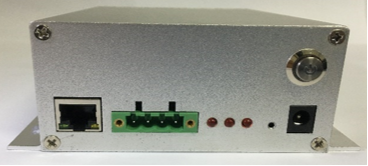
Project
Parameter
Power supply
Adapter input: AC 220 V ~ 12 V DC, 2 A
Uplink communication method
TCP/IP
Storage
16GB TF card
Protection rating
IP55
Ambient temperature
-25℃~55℃
Environmental humidity
95%
System Architecture – Cloud Platform
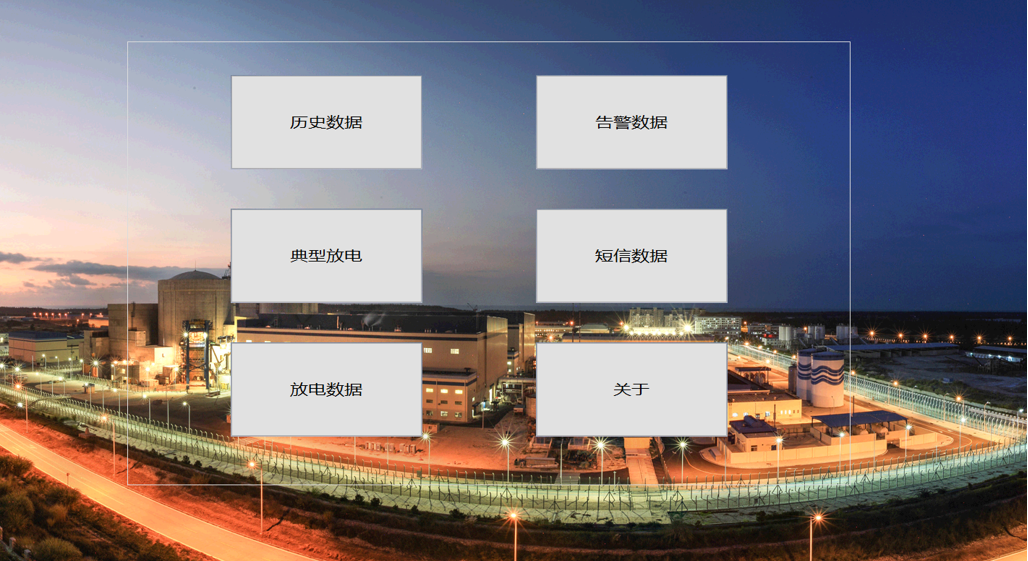
System Function – Real-Time Monitoring + Early Warning
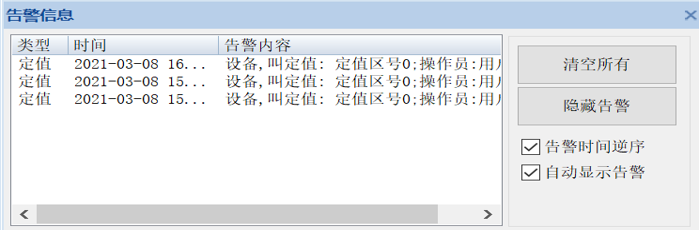
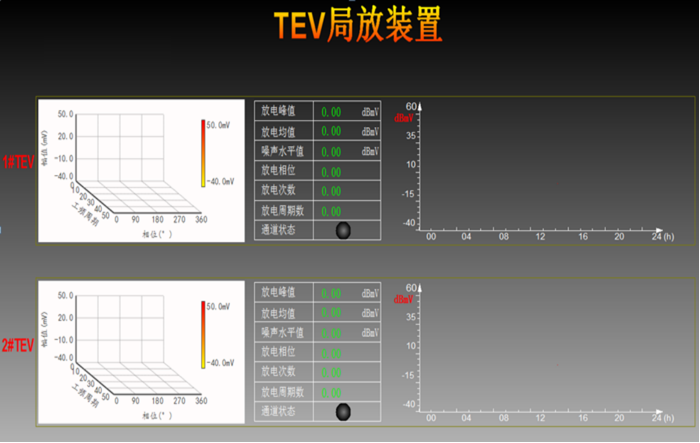
Gray: Indicates a sensor connection error or that the sampled value is too low.
Green: Indicates that the sensor is operating normally;
Yellow: Indicates that the discharge peak at the sensor’s location has exceeded the warning threshold, and this location warrants attention.
Orange: Indicates that the discharge peak at the sensor’s location is relatively high, exceeding the over‑threshold value in the set parameters. This calls for intensified inspection and heightened attention to this location.
Red: Indicates that the discharge peak at the sensor’s location is very high, exceeding the over‑limit alarm threshold. Increase inspection frequency and monitoring intensity for this location.
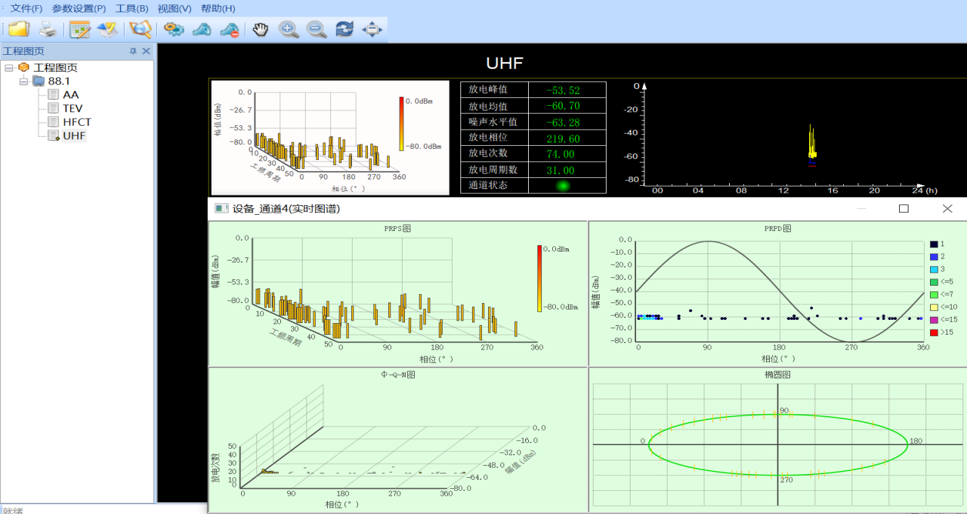
System Function – Discharge Spectrum
Discharge Distribution: φ–q two-dimensional spectrogram, PRPS, φ–q–n three-dimensional spectrogram, and ellipse diagram.
System Function – Fault Location
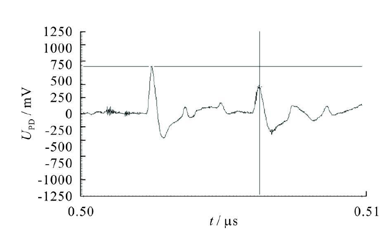
System Function – Trend Analysis
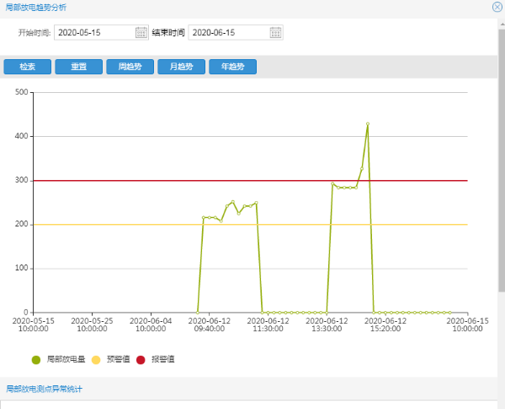
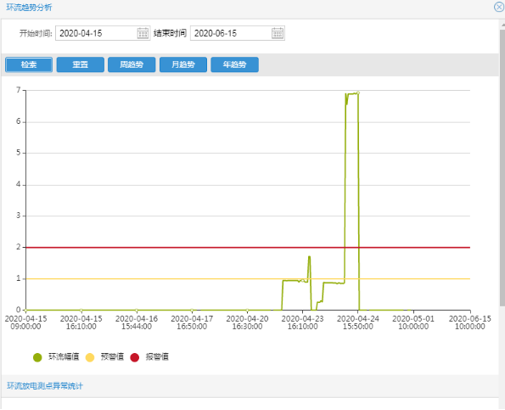
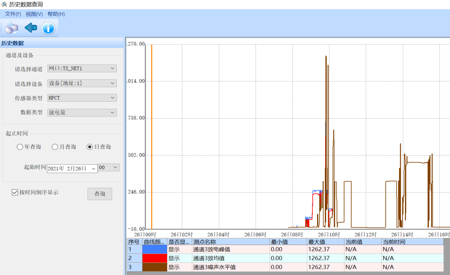
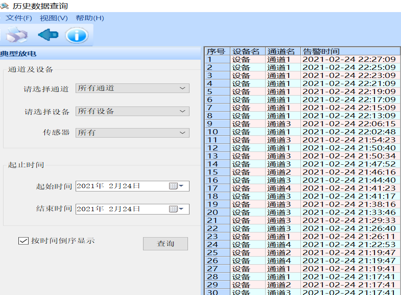
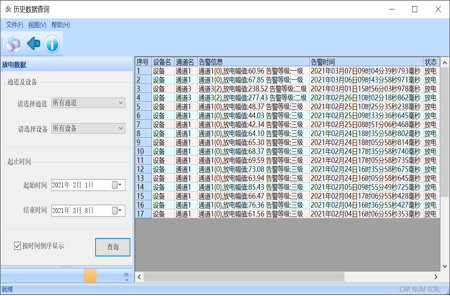
System Function – Historical Query
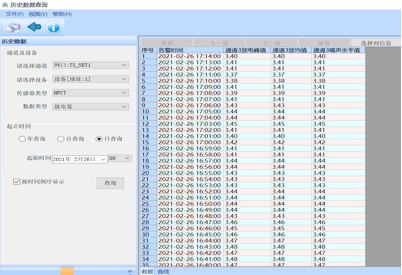
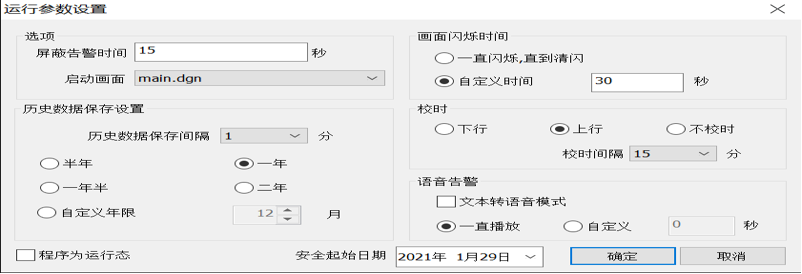
System Function – Parameter Settings
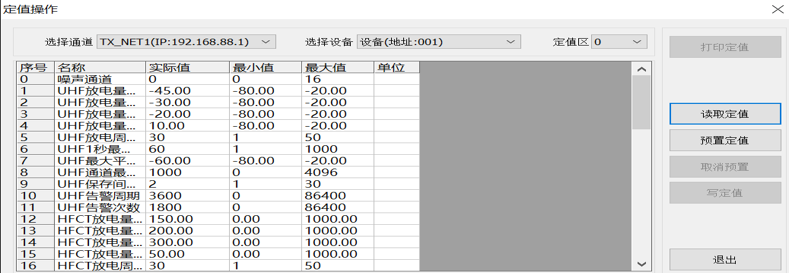
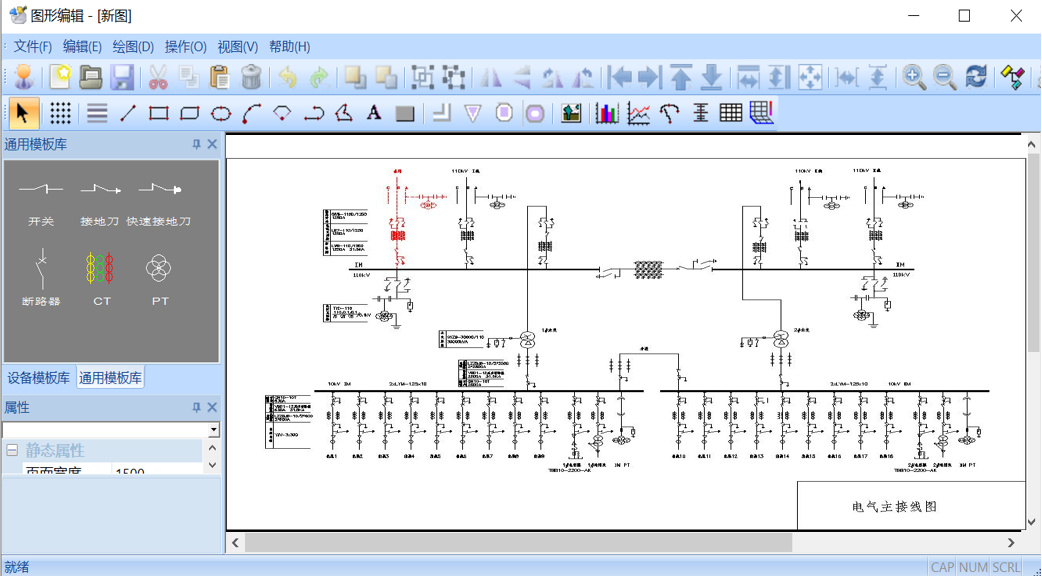
System Function — Draw System Diagram
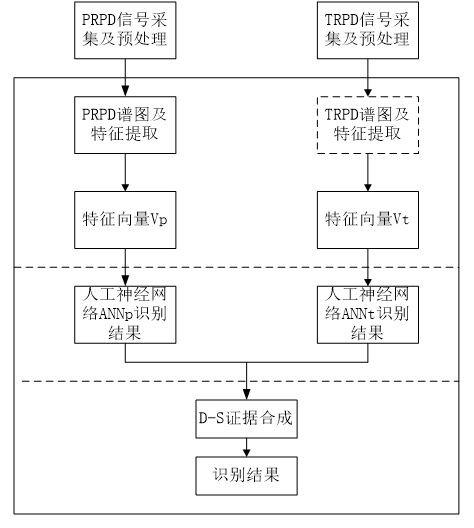
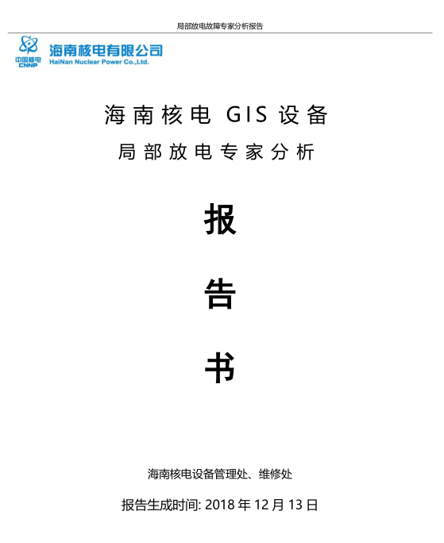
System Function – Expert Diagnostic System with Automatic Generation of Analysis Reports
Leave a message for inquiry
If you're interested in our products, please leave your email, and we'll get back to you as soon as possible. Thank you!
More products